
What Is Hallux Valgus?
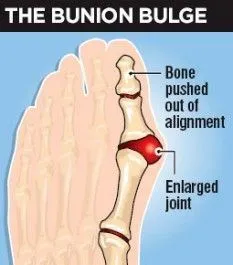
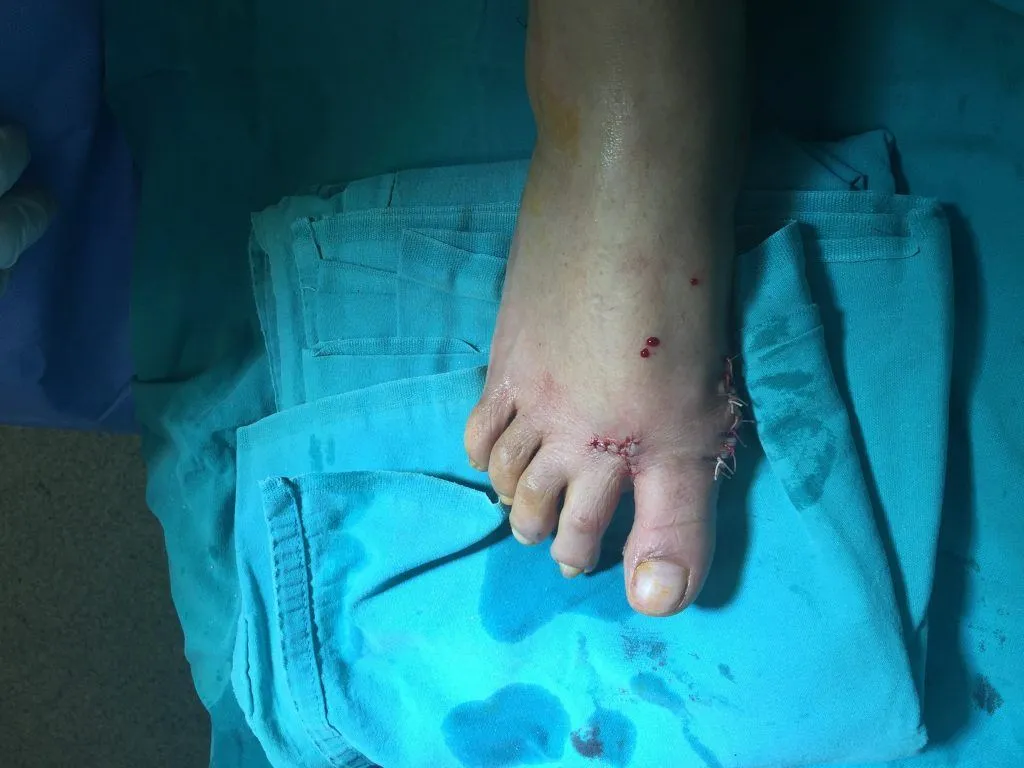
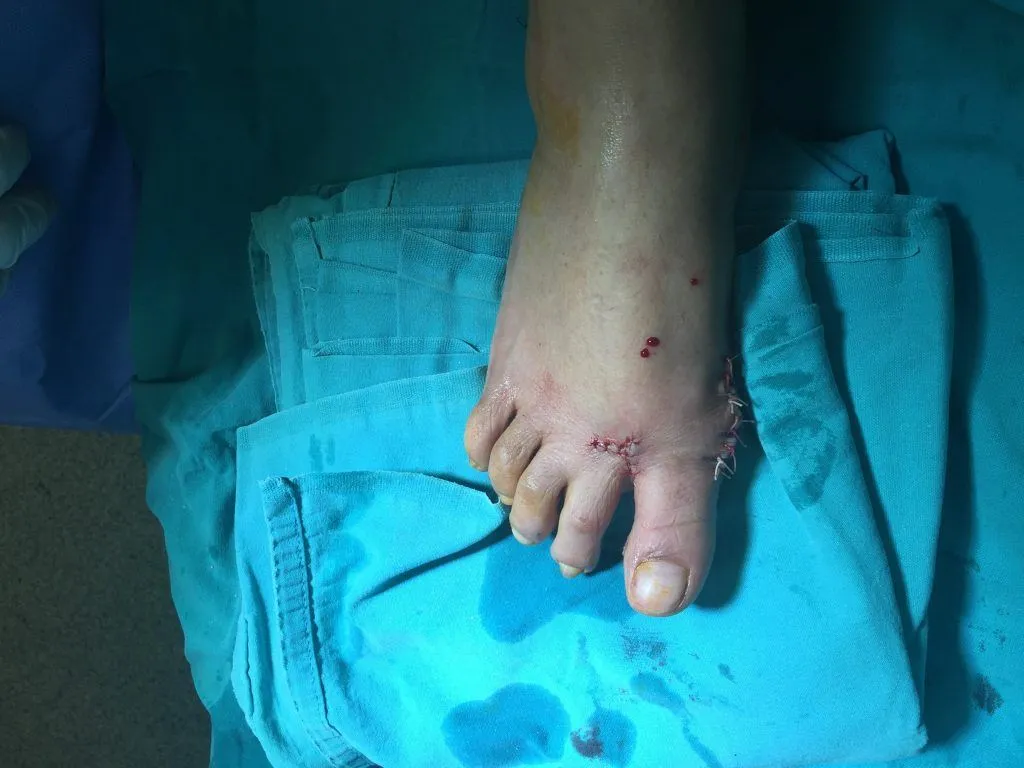
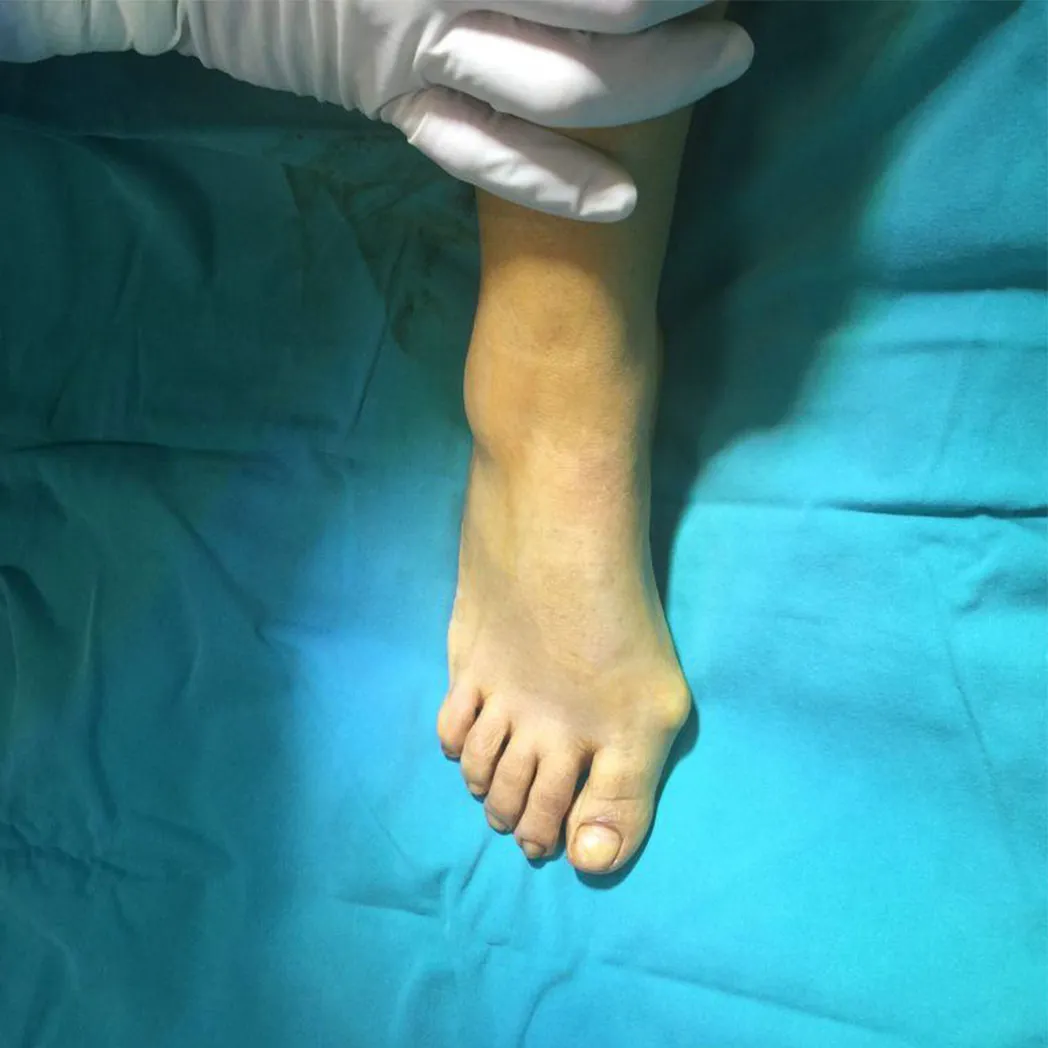
Hallux valgus is a deformity in which the big toe drifts inward, toward the other toes, for various reasons. It is usually accompanied by a bony enlargement over the head of the metatarsal bone (a bunion).
Who Is Most Commonly Affected by Hallux Valgus?
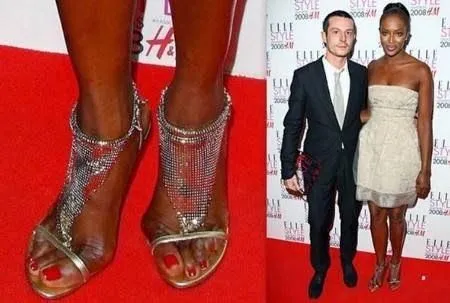
It is common in people who wear high-heeled shoes with a narrow toe box. Having flat feet predisposes the foot to developing hallux valgus. For this reason, it is much more common in women because of their choice of footwear. The condition is also common in people with a family history of hallux valgus. In contrast to flat feet, hallux valgus is rarely seen in people with excessively high-arched feet (pes cavus).
What Are the Symptoms of Hallux Valgus?
The big toe drifts toward the second toe, and a swelling called a bunion forms on the side of the deviated joint. This deformity may sometimes be accompanied by severe pain. Patients often say the condition began overnight after wearing a particular pair of shoes on a special occasion. In reality, this is the activation of a silently progressing condition, triggered when the soft tissues protecting the joint become swollen and painful inside high-heeled shoes.

Common Misconceptions About Hallux Valgus
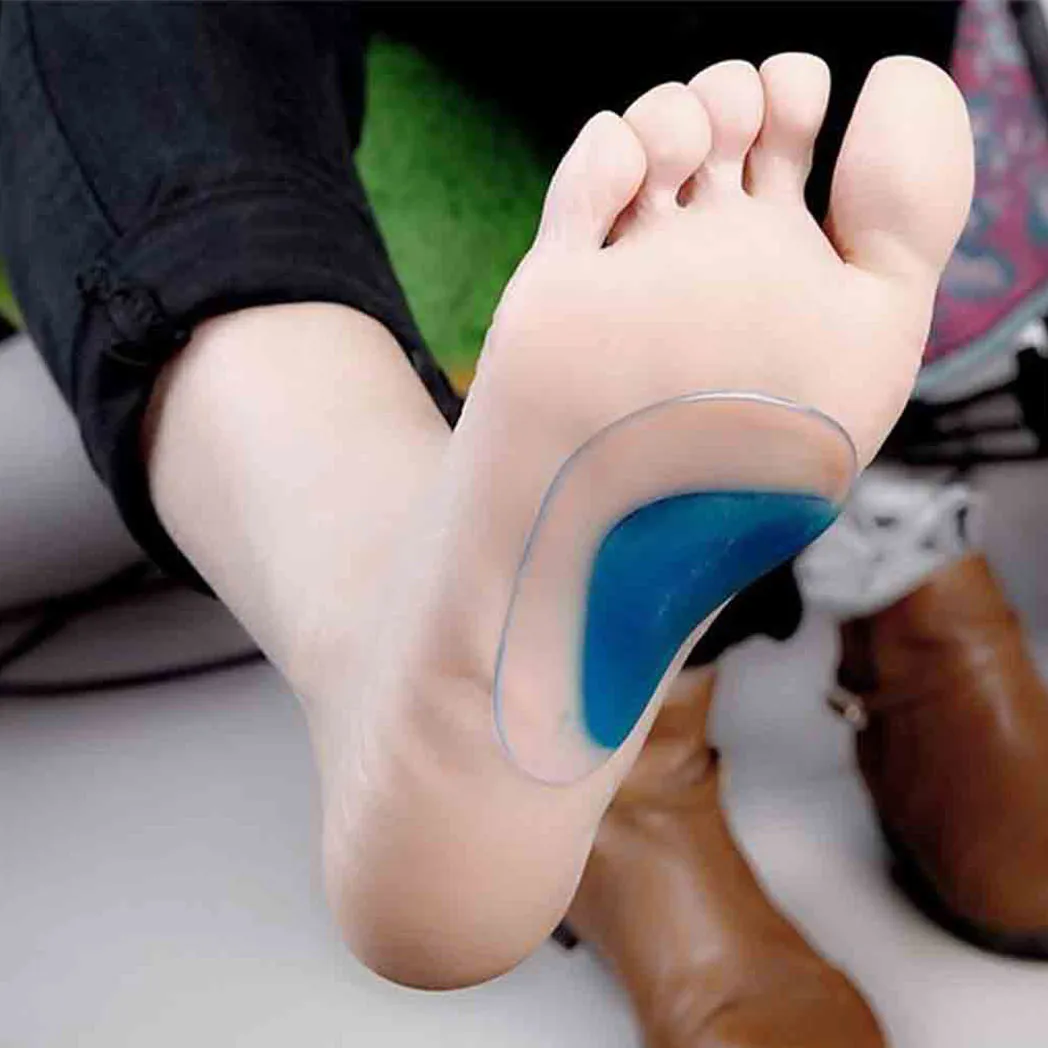
Many people believe that silicone toe spacers and similar supports can prevent the condition or even reverse it, but a deformity that has already formed never goes back. The most important thing you can do to stop hallux valgus from progressing is to avoid high-heeled and narrow shoes. All other measures and non-surgical treatments help control pain and slow the progression of the condition.

What Is the Treatment for Hallux Valgus?
All non-surgical treatments help control pain and slow the progression of the condition. When deciding on surgical treatment, the main criterion should be pain or secondary skin problems caused by the deformity. A relative criterion is the deformity itself and the patient's wish to have it corrected. The approach used to correct hallux valgus is determined by the patient's age, sex, comorbidities and the angles of the deformity.