
What Is Carpal Tunnel Syndrome?
It is impaired function of the median nerve, the nerve that passes through the wrist, caused by compression at the level of the carpal tunnel.
Symptoms of Carpal Tunnel Syndrome

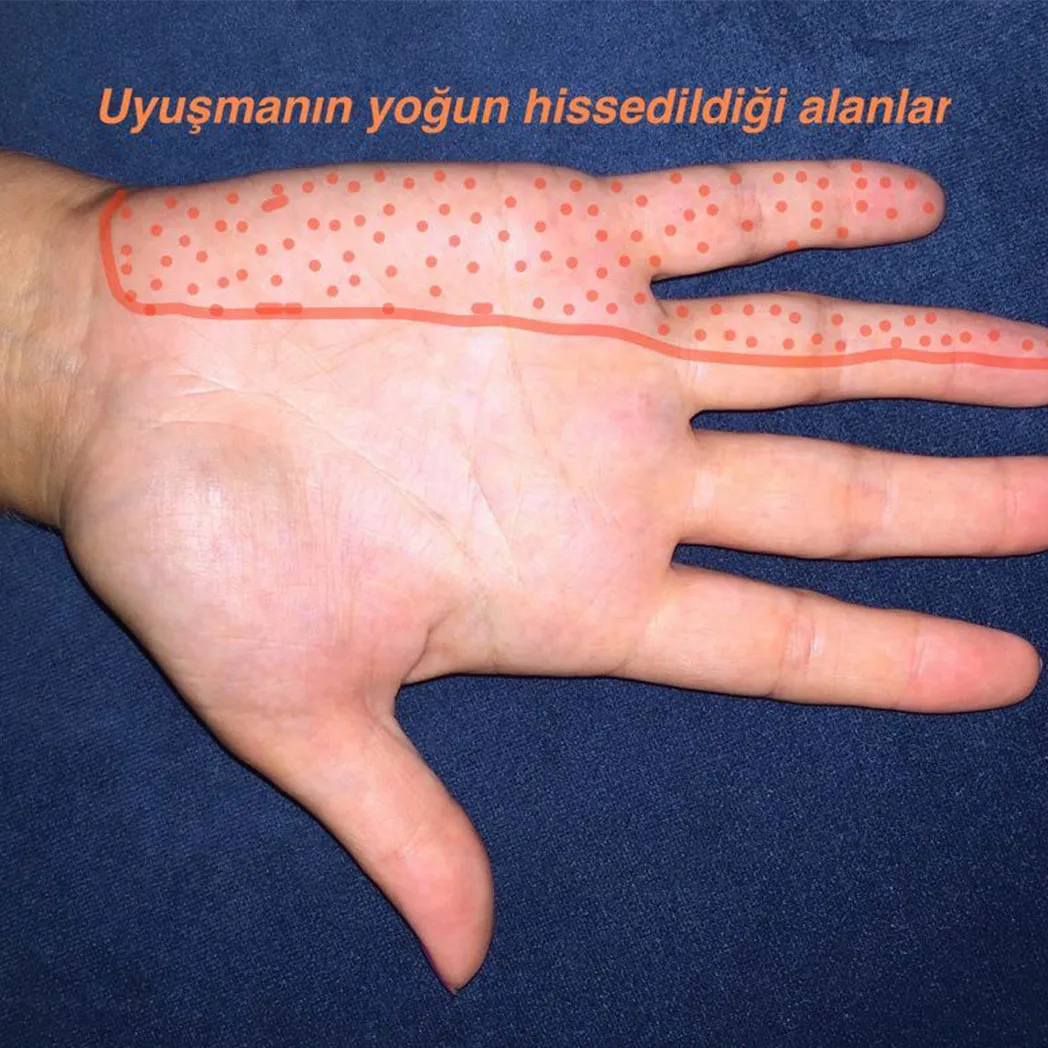
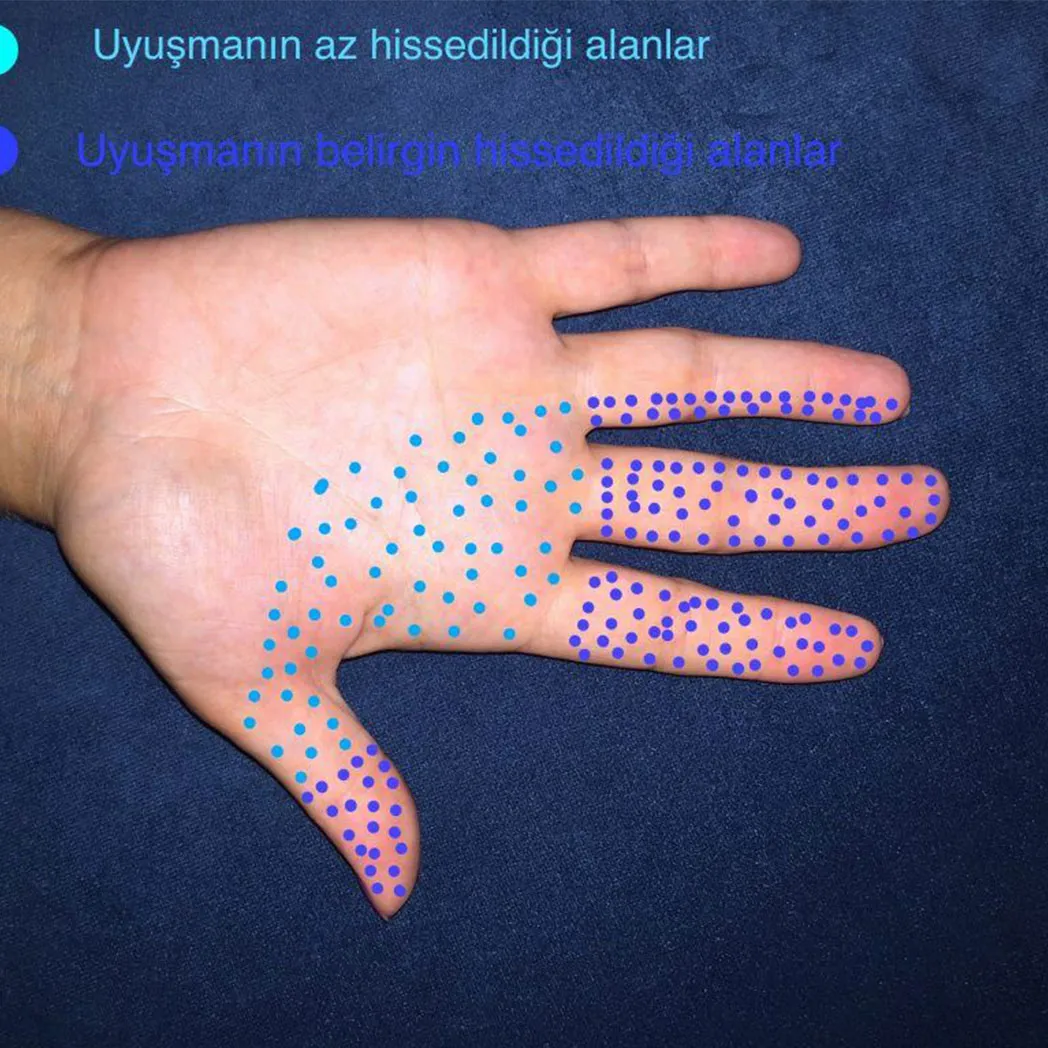
Numbness that gets worse especially at night and toward morning, and that often affects specific areas of the palm, is common in carpal tunnel syndrome. Patients wake up within a few hours of going to bed, or toward morning, shaking their hands. In advanced carpal tunnel syndrome, muscle wasting at the base of the thumb (thenar atrophy) is seen, caused by involvement of the branch of the median nerve that supplies the thumb muscle (abductor pollicis brevis).
Who Is Most Commonly Affected?
People with thyroid disease, people with diabetes, those with chronic inflammatory conditions (rheumatoid arthritis, COPD), office workers, people whose hands are exposed to heavy vibration, pregnant women, and others.
How Is It Treated?
- The first step in treating carpal tunnel syndrome is splinting, avoiding the cause (mouse use, work involving vibration, etc.) and taking anti-inflammatory medication.

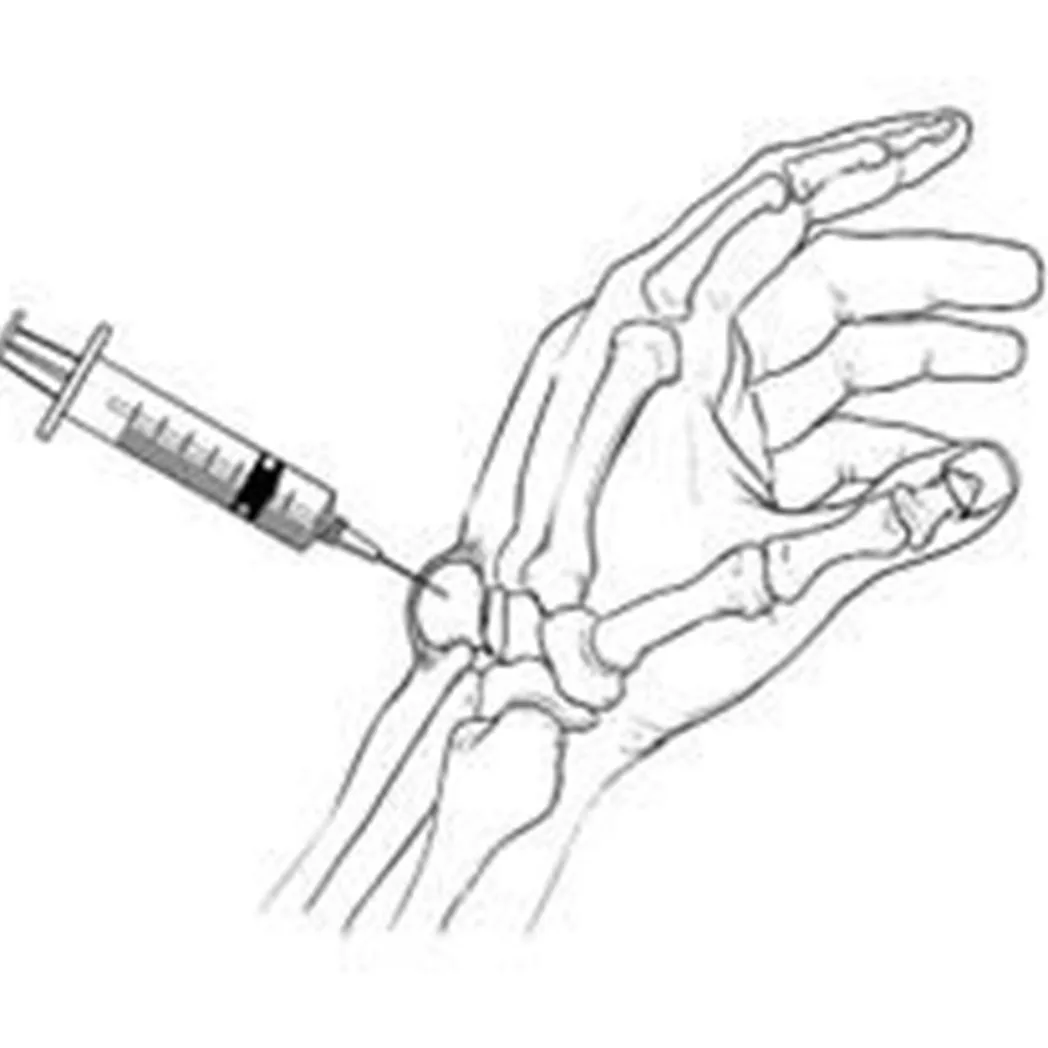
- If the first step does not help, a corticosteroid (cortisone) injection into the carpal tunnel should be tried.
- In patients who do not respond to the cortisone injection either, the compression of the median nerve in the carpal tunnel should be relieved surgically by cutting the transverse carpal ligament and releasing the nerve (carpal tunnel release).