

Flat Feet (Pes Planus)
Flat feet are a common condition and the most frequent non-traumatic reason parents bring their children to an orthopedic specialist.
When we tell parents that their child has flat feet, the whole family often panics and tries to get rid of this disease (which is not truly a disease) as quickly as possible. At this point, they readily accept the advice of various people or organizations without adequate knowledge. These companies, which lack expertise but are very effective at marketing, usually claim that the condition will be corrected if the child wears their product for a long time. There is no conclusive evidence-based study showing that insoles or shoes correct flat feet.
It is not really appropriate to assess a child before the age of 4-5 in order to comment on or diagnose flat feet.
Whether flat feet are rigid or flexible is important when it comes to treatment.

When Should Flat Feet Be Suspected?
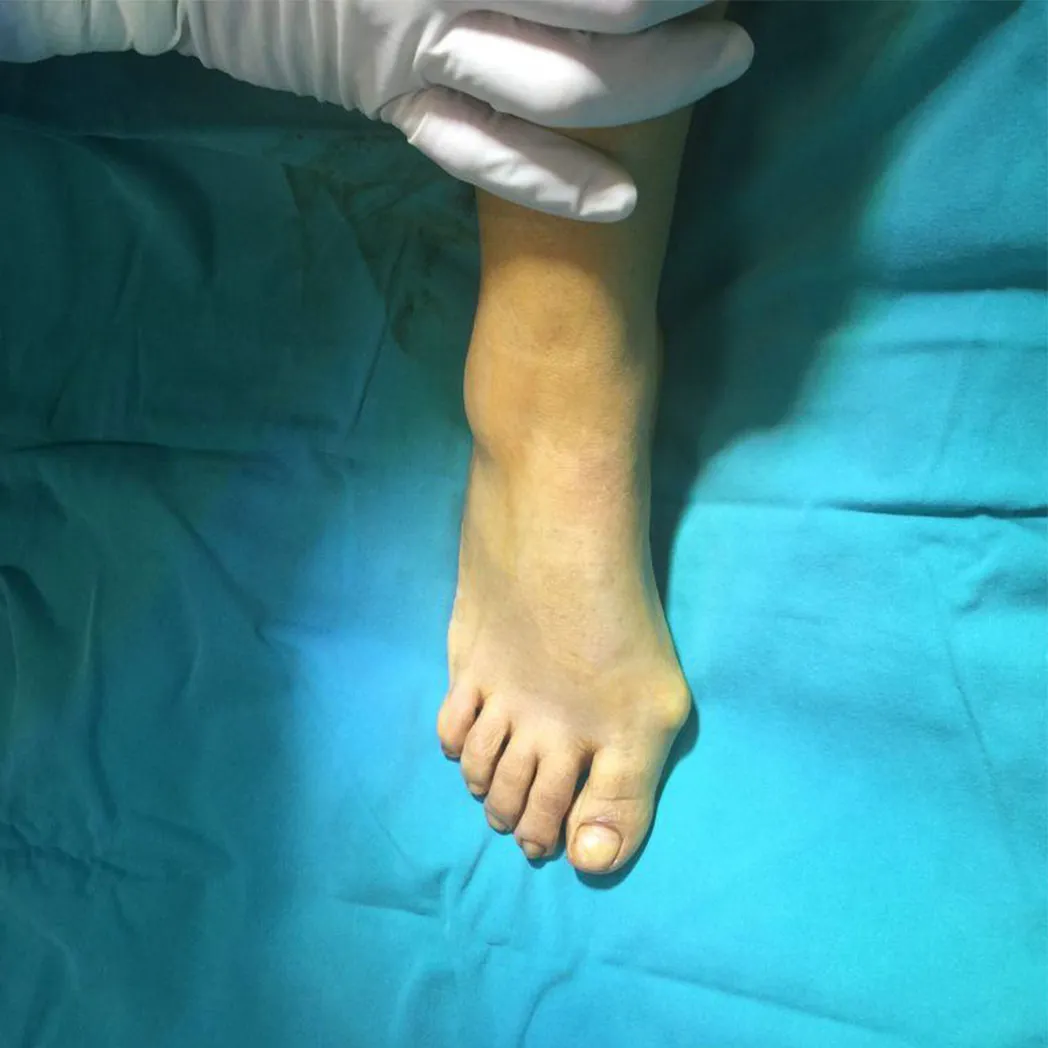
- When the soles of the feet rest fully on the ground while standing, which is roughly what a flat foot looks like
- If a child tires quickly when standing or walking for long periods.
- If a child has foot pain when walking or standing for long periods
- If the mother and/or father has flat feet
Are Flat Feet a Disease That Must Always Be Treated?
Flat feet are not truly a disease but a normal variation in the population. Treatment should be considered if flat feet cause pain and severe deformity that make wearing shoes uncomfortable.

Who Gets Flat Feet?
The diagnosis should be made after the age of 4-5; otherwise, a young child whose foot structure (arches) has not yet matured will usually look flat-footed.
Flat feet that occur without any accompanying condition are the most common form. These patients usually have a mother and/or father with flat feet.
Apart from this, flat feet in children are also seen in ligamentous laxity, obesity, children with excessive rotation at the hip joint, neuromuscular disorders such as cerebral palsy or polio, and bony abnormalities such as tarsal coalition.

What You Should Know About Flat Feet
- Flat feet should not be diagnosed before the age of 4-5 (in very rare cases they become apparent at a younger age)
- Flat feet do not require treatment unless they cause pain or secondary problems.
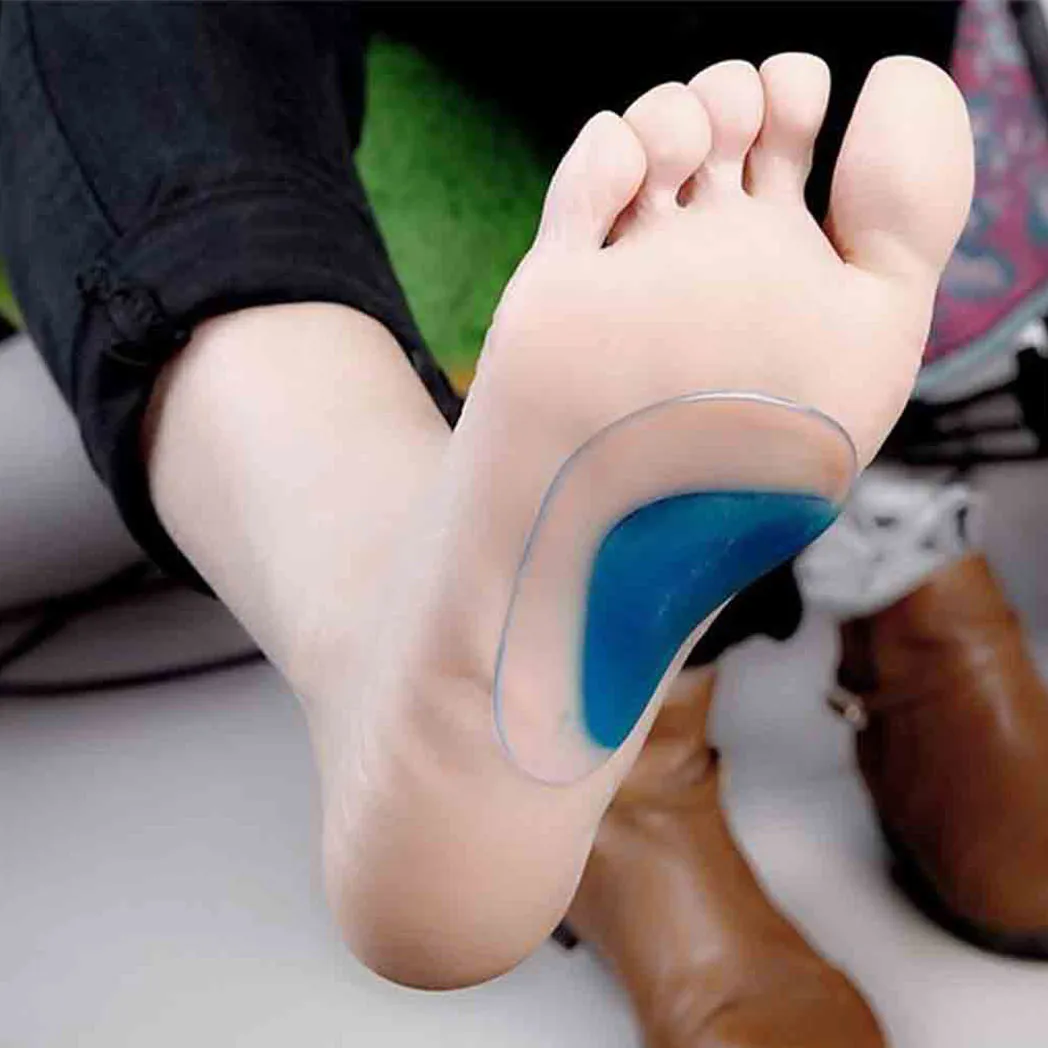
- The devices you use for flat feet (shoes, insoles) do not correct the structure of the foot; they only keep the foot pain-free and allow it to be used more effectively.
- The likelihood of surgery for flat feet that develop during growth is very low.
- Do not put unnecessary pressure on a child with painless flat feet to undergo treatment.
- When your child is diagnosed with flat feet, do not give them the impression that they are facing a very difficult, untreatable condition, and do not react that way yourself. As long as it is painless, a flat foot is a structural variation rather than a structural defect.