
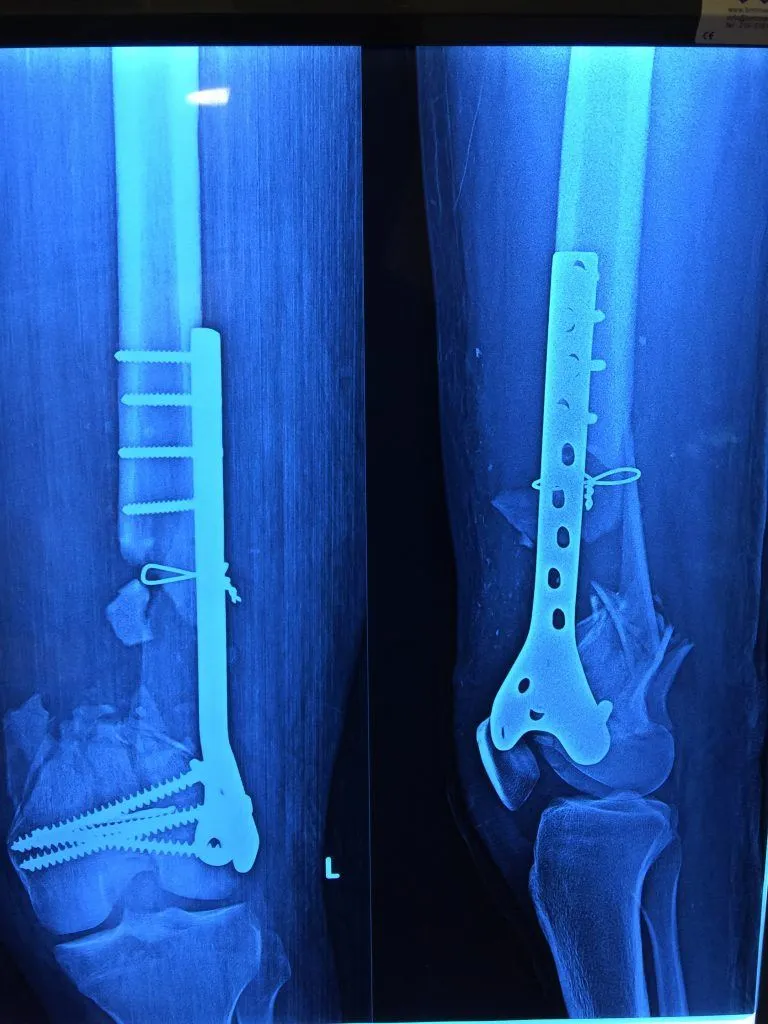
Treatment of Fracture Nonunion and Bone Infection (Osteomyelitis)
The causes of nonunion after fracture surgery include the location of the fracture, the way it occurred, an accompanying open wound, a systemic disease in the patient, tobacco use and, unfortunately the most common cause, problems with the surgical technique.
What are the types of fracture nonunion, and what causes each?
There are 3 types of fracture nonunion (pseudarthrosis).
- Hypertrophic pseudarthrosis: the patient's bone has the capacity to heal, but union does not occur because of inadequate surgical technique
- Oligotrophic pseudarthrosis: there are varying degrees of inadequacy in both the patient's bone and the surgical technique.
- Atrophic pseudarthrosis: for various reasons, the patient's bone has no potential to heal; this most often occurs in the setting of infection.
What treatment methods are used for fracture nonunion?
The operations performed for this vary widely. The surgery chosen should be planned taking into account the type of nonunion, bone loss, the presence of active infection, the patient's systemic and local condition, and age.
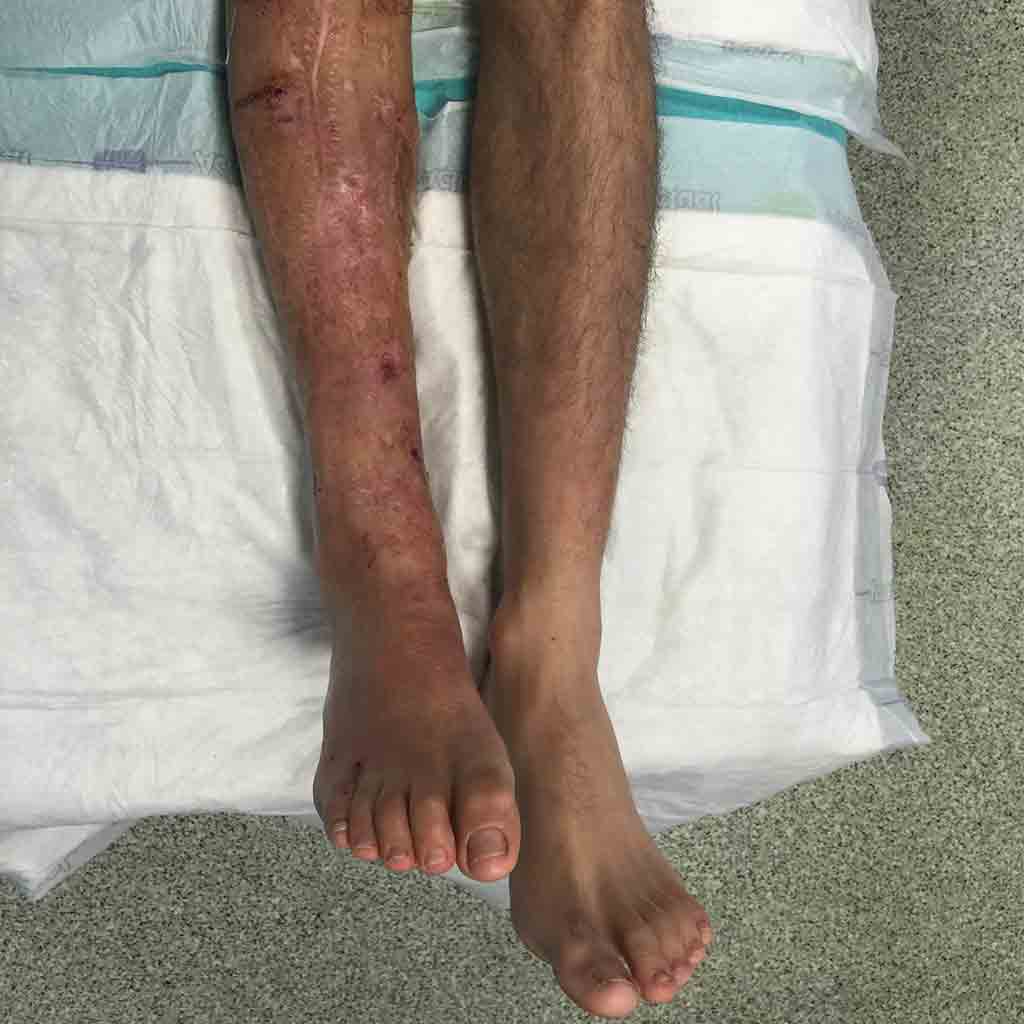
If there is active infection, treatment must first begin by fighting the infection with antibiotics and surgical debridement of the infected tissues. Once the infected bone and soft tissues have been removed, systems that release antibiotics steadily into the surgical site are applied. For soft tissue infection, draining wounds or wounds that will not close, V.A.C. (vacuum-assisted closure) devices are used.
In the absence of infection, surgery for the nonunion is planned directly, and the technique chosen is limited only by the available devices and the surgeon's imagination. These operations are among the most professionally rewarding procedures for a limb reconstruction surgeon.
What devices are used in these operations?
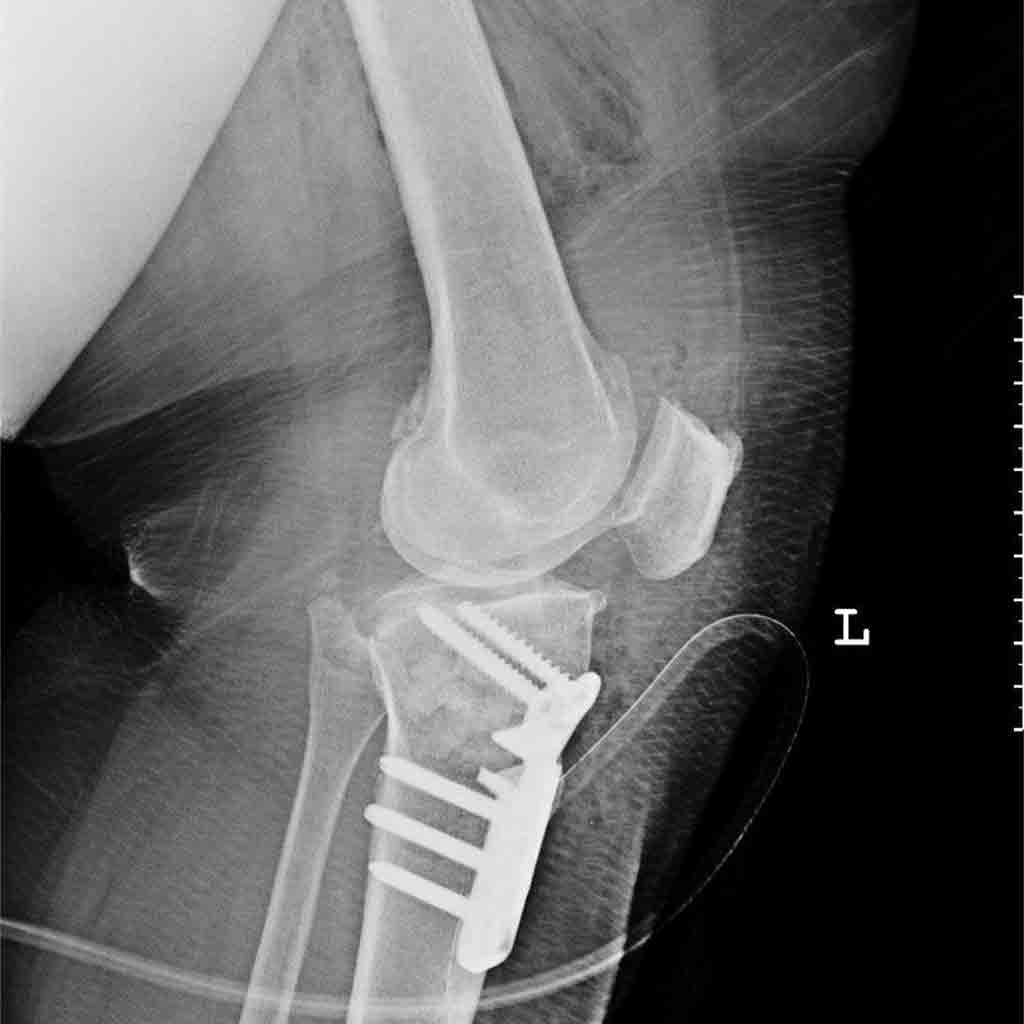
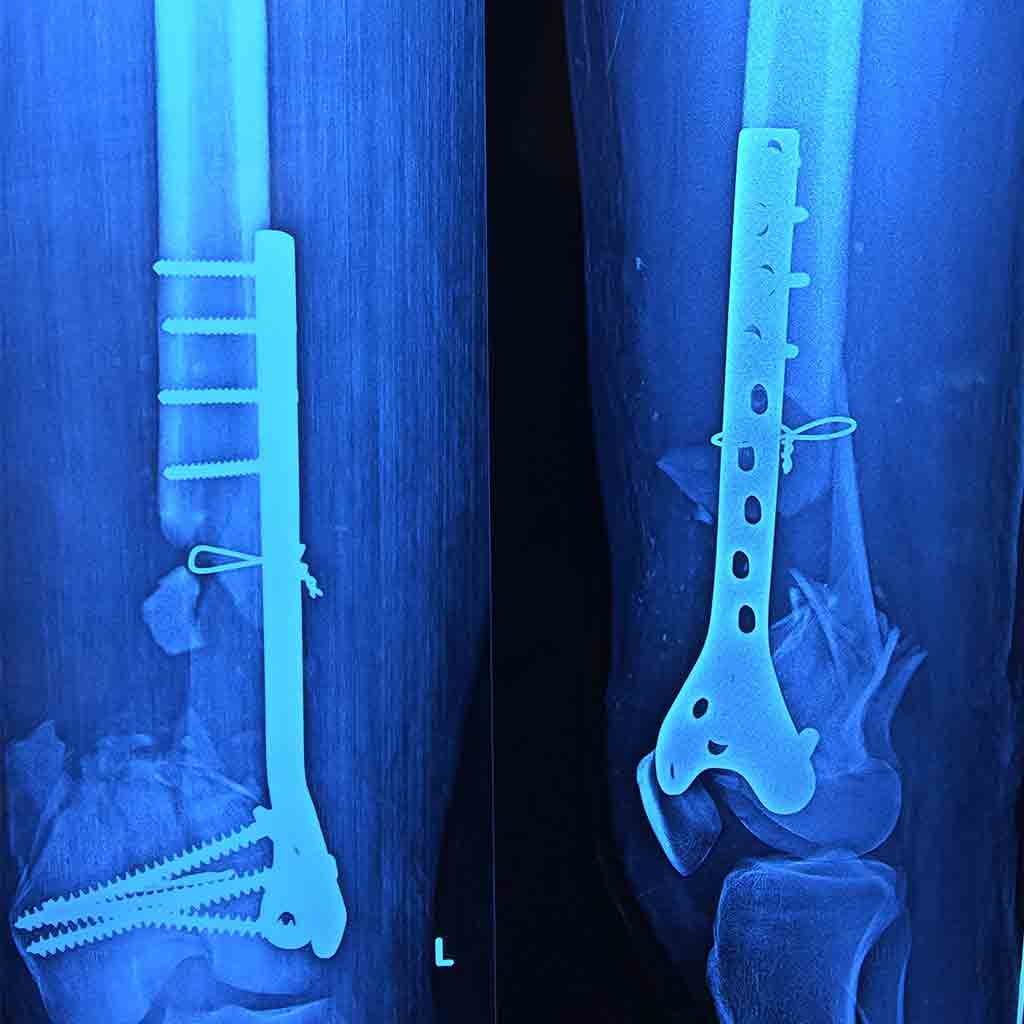
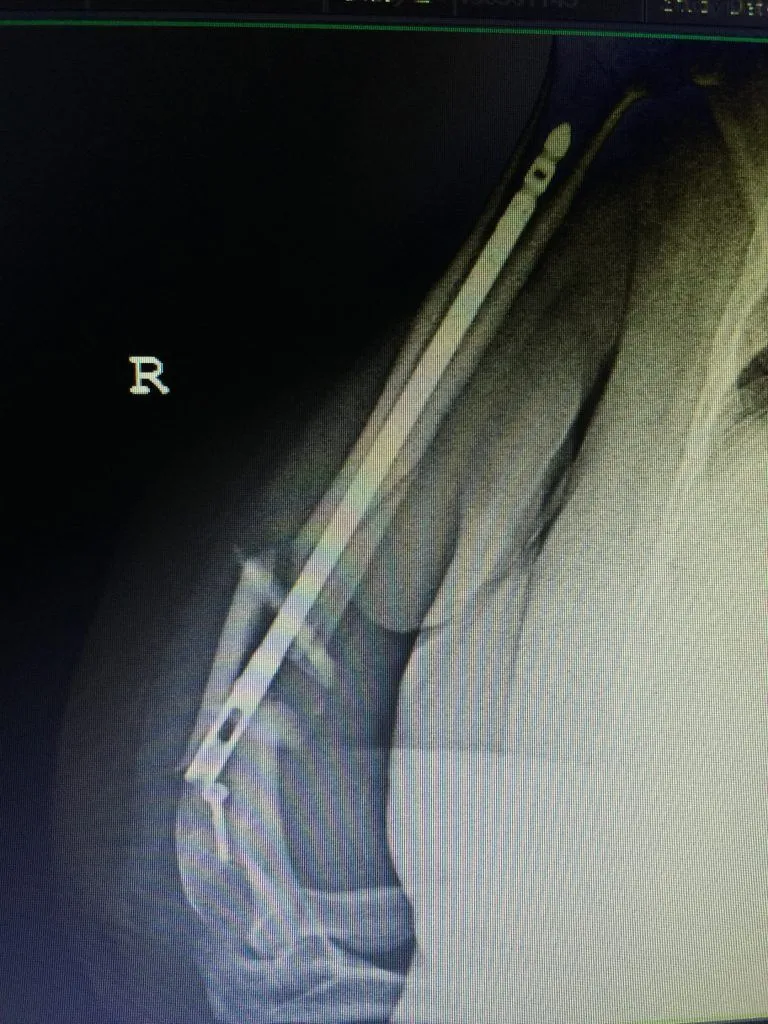
Fixation devices: monolateral external fixators, rail-type monolateral fixators, computer-assisted hexapod circular fixators, Ilizarov frames, plates and screws, and intramedullary nails.
Biological and physical union support: autografts, various synthetic or cadaveric grafts with osteoinductive/osteoconductive properties (DBM, tricalcium phosphate, allografts, etc.), and stimulation of union with electrical or sound waves.
Infection control systems: antibiotic-releasing bead chains, VAC (vacuum-assisted closure), local and systemic antibiotic preparations, jet lavage systems and continuous irrigation systems.
There is a popular belief that bone infections cannot be treated. Is this really true?
This belief is held not only by the general public but also by other doctors and even by some orthopedic surgeons. However, our hands are no longer so tied when it comes to bone infections. Thanks to major advances in the medical device industry, we now have the devices I have listed, and bone infections can be treated with very good results.
The most critical development has been the progress in technologies that make it possible to reconstruct the bone after the infected bone segment has been removed.

What are the most common causes of fracture nonunion?
When a fracture fails to heal, infection must first be ruled out, and then the surgical technique should be examined. If neither of these is the problem, patient-related factors should be evaluated. Smoking reduces fracture healing by approximately 200 times. Nonunion surgery should not be performed on a patient who continues to smoke unless it is absolutely unavoidable.