

ACL Surgery (Anterior Cruciate Ligament Reconstruction)
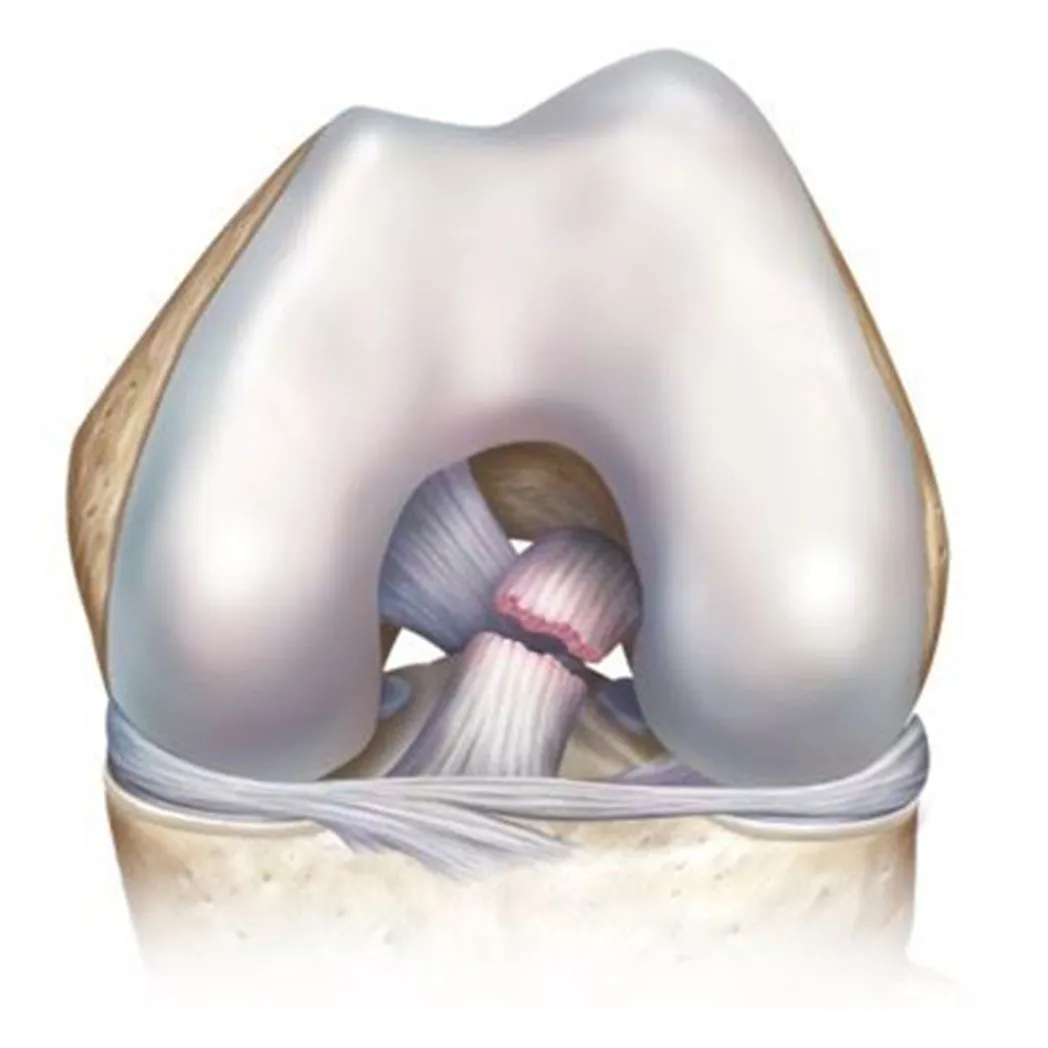
An ACL rupture is a traumatic tear of the anterior cruciate ligament, which lies inside the knee joint and prevents the shinbone (tibia) from sliding forward. When it ruptures, the mechanism that stops the shinbone from sliding forward is damaged. If the patient develops a feeling of the knee shifting forward, a twisting sensation and a feeling of instability in the knee, they need ACL reconstruction.
Who Is ACL Reconstruction Surgery For?
The typical patient is between 16-50 years of age, ruptures the ACL, usually during sports, and later develops feelings of instability, twisting and giving way in the knee. At the moment of rupture, the patient usually feels something tear and is unable to continue playing, and the knee swells markedly within a short time (a few minutes to 1-2 hours).
What Are the Key Considerations in ACL Reconstruction Surgery?
- Not every ACL rupture should be operated on. Surgery should not be considered if the patient is older or, even if not older, has significant cartilage damage or restricted range of motion.
- Surgery may not be necessary in a patient with a ruptured ACL who has no further sporting goals and whose knee does not give way after the injury.
- Patients who do not undergo ACL surgery need to build strong leg muscles through exercise and sport.
- If a patient with a ruptured ACL and secondary symptoms such as twisting and instability of the knee does not have surgery, cartilage/meniscus problems will develop in the knee over time.
- The gold standard is to use your own tendon and perform the surgery arthroscopically (closed technique), creating a single anatomic femoral tunnel.
- Harvesting a tendon graft from your leg does not impair your daily or sporting activities.
Surgical Technique for Arthroscopic ACL Reconstruction (Anatomic Single Femoral Tunnel with Hamstring Autograft):
Through an incision of approximately 3-4 cm on the front of the knee, the hamstring and semitendinosus tendons are harvested as a graft to replace the ligament. Because the sural nerve passes through this area, the nerve can occasionally be injured during graft harvesting, causing numbness and an electric-shock sensation in the leg.
The knee joint is entered arthroscopically, and after any procedures and checks involving structures other than the ACL have been carried out, the torn remnants of the ACL are removed from the joint. The attachment sites of the ACL are identified. Using a guide, a tunnel is drilled in the tibia for passing the tendons that will replace the ACL. A tunnel matching the diameter of the harvested grafts is also drilled in the femur, and the tendons, now prepared to serve as the new ACL, are passed through these tunnels. The tendons are then fixed separately to the femur and the tibia.
Possible problems with this surgery: if the ligament is fixed tightly with the knee excessively flexed, it can be difficult to fully straighten the knee afterwards. Incorrect tunnel placement is common and can lead to early rupture of the ligament or a ligament that does not function adequately. Impingement (friction) can also develop between the bony structures and the ligament, more often in reconstructions performed in older patients, and this must always be released.
The Postoperative Period
- When you come out of surgery, you will have a bandage and a drain (a tube that drains blood) on your leg.
- You will start in-bed exercises as soon as you come round in your bed.
- Swelling is prevented by applying plenty of ice to your knee and giving intravenous anti-edema medication.
- A postoperative X-ray will be taken, and walking should be planned after the X-ray has been reviewed.
- The day after surgery, a team made up of a physiotherapist, a nurse and myself will get you walking with the help of two crutches. Contrary to what many people expect, patients feel very little pain when walking. If a meniscal tear was also repaired during the same operation, you will need to put somewhat less weight on the leg.
- You can bend your knee as far as you can tolerate. However, bending it too much in the first few days will be difficult for you.
- A hospital stay of 1-2 days will be sufficient.
- At home, you will be asked to ice your knee (15 min every hour until you go to sleep), walk with two crutches, do leg-strengthening exercises in bed, and do knee-bending exercises in bed or while sitting.
- Your risk of venous thromboembolism (a blood clot forming in the leg) is assessed based on your age, comorbidities and the medications you take. If considered necessary, low-molecular-weight heparin (Clexane®) treatment is started after surgery and continued for a set period after discharge.
- Your stitches are the self-dissolving type, and from the 2nd week after surgery you can wash and let water reach your wound. Scrubbing the wound is not recommended; the ends of the stitches will fall off on their own.