
What is De Quervain's Tenosynovitis?

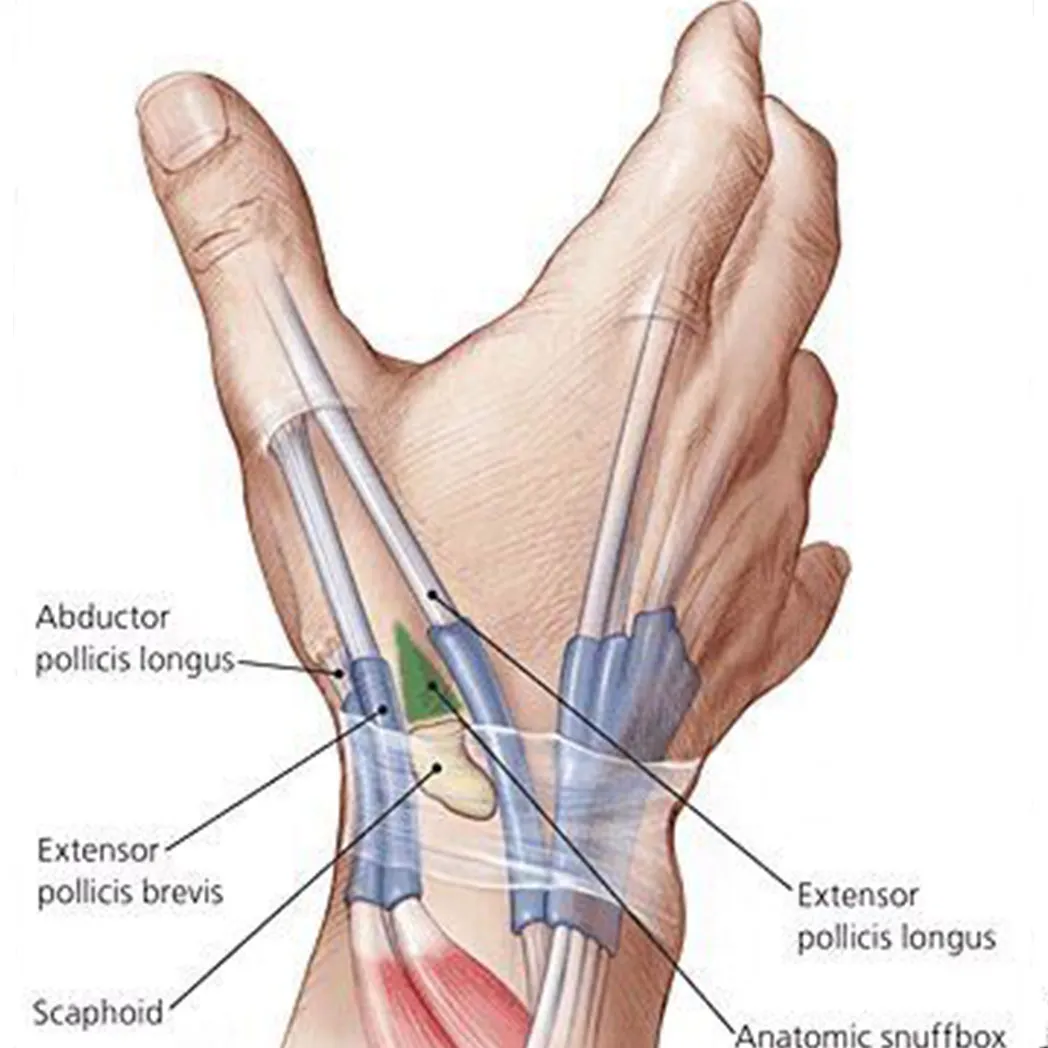
It is a condition in which two tendons on the outer side of the wrist (abductor pollicis longus and extensor pollicis brevis) become compressed at the level of the wrist, leading to inflammation and pain.
What are the symptoms?
Pain on the thumb side of the wrist, pain over the bone on the outer side of the wrist (over the radial styloid), and pain when the wrist is bent downward with the fingers closed (Finkelstein test). In some patients the pain can be very severe. Patients may even think they have broken their wrist. Unlike typical tendinitis, the pain can sometimes be very pronounced at rest as well, and may even wake the patient from sleep.

Who is most commonly affected?
De Quervain's tenosynovitis is most often seen in breastfeeding women and in people who do a lot of housework. It may also be more common in those who use their wrists intensively for work and in people with rheumatological diseases.
Although there is no clear evidence, the condition tends to appear with lifestyle changes (such as the breastfeeding period or taking on housework after marriage) in a person who is not used to an intensive level of activity. For this reason, it is uncommon in rural areas and among people who have used their hands intensively from a young age.

De Quervain's tenosynovitis is more common in highly urbanized areas.
Op. Dr. Halil Buldu
De Quervain's Tenosynovitis Treatment Options:
Stepwise treatment should begin as soon as the diagnosis is made.
Op. Dr. Halil Buldu

Step 1: ice packs, a De Quervain splint, anti-inflammatory medication and activity restriction. During the early and most active phase of the condition the splint should be worn day and night; once the symptoms ease, it can be taken off and worn only at night and while resting.


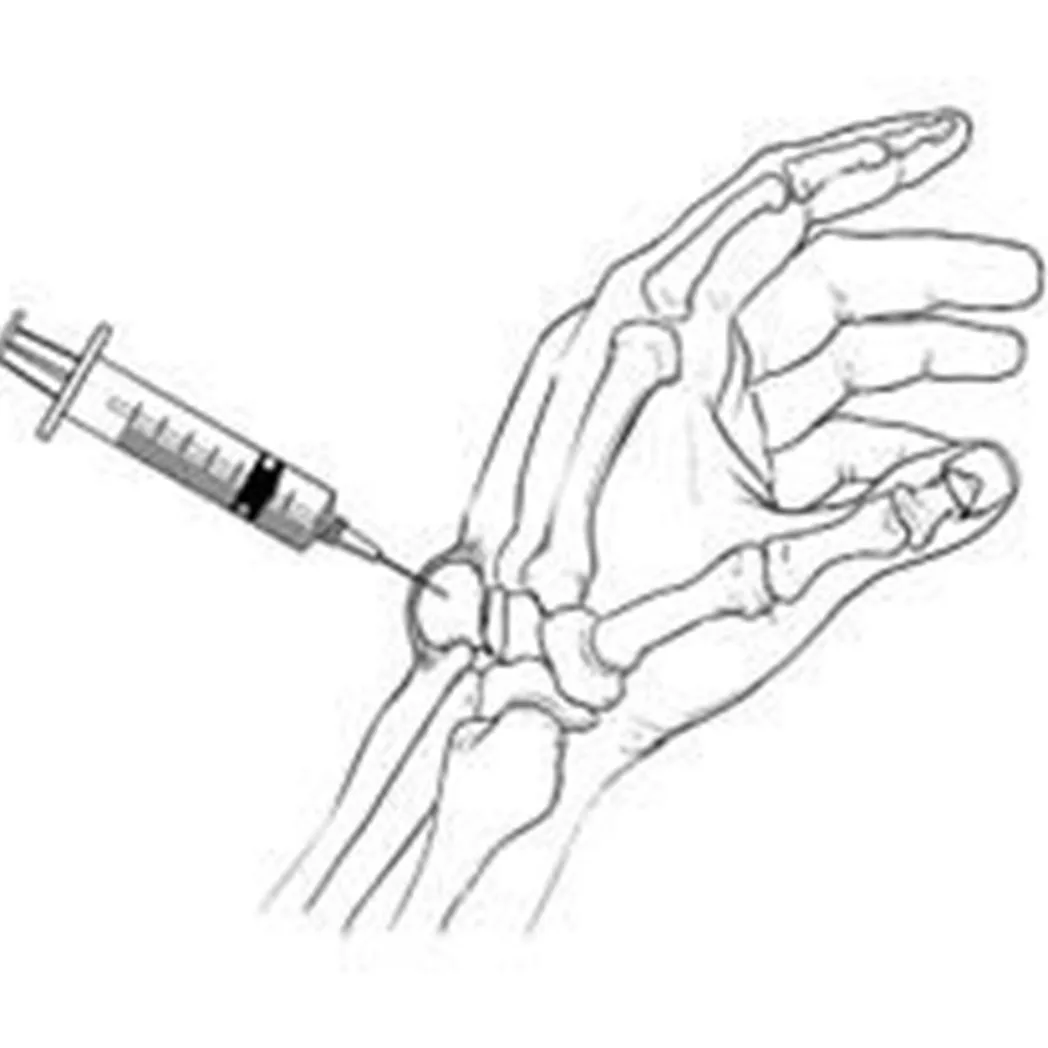
Step 2: if this first step does not bring sufficient improvement, local injections should be planned to resolve the inflammation. Injections are usually tried 2-3 times, one week apart. Corticosteroid (cortisone) or PRP (platelet-rich plasma) may be used for the injection. PRP injections more often give satisfying results, but they are more painful and more expensive. In the early, very painful phase of the condition, a cortisone injection may be the first choice.

Step 3: If the first two steps have been tried and the pain persists at a level that interferes with the patient's daily activities, surgery should be considered. During surgery, the area where the two tendons responsible for the condition (abductor pollicis longus and extensor pollicis brevis) are compressed is located, and the structures causing the compression are cleared away.