

What is a ganglion cyst?
The cause of this benign mass is unknown. It forms when joint fluid fills a weak spot in the joint capsule and causes it to swell. These swellings are most often seen in the hand/wrist and foot/ankle, and less frequently can occur in any joint.
What are the symptoms of a ganglion cyst?
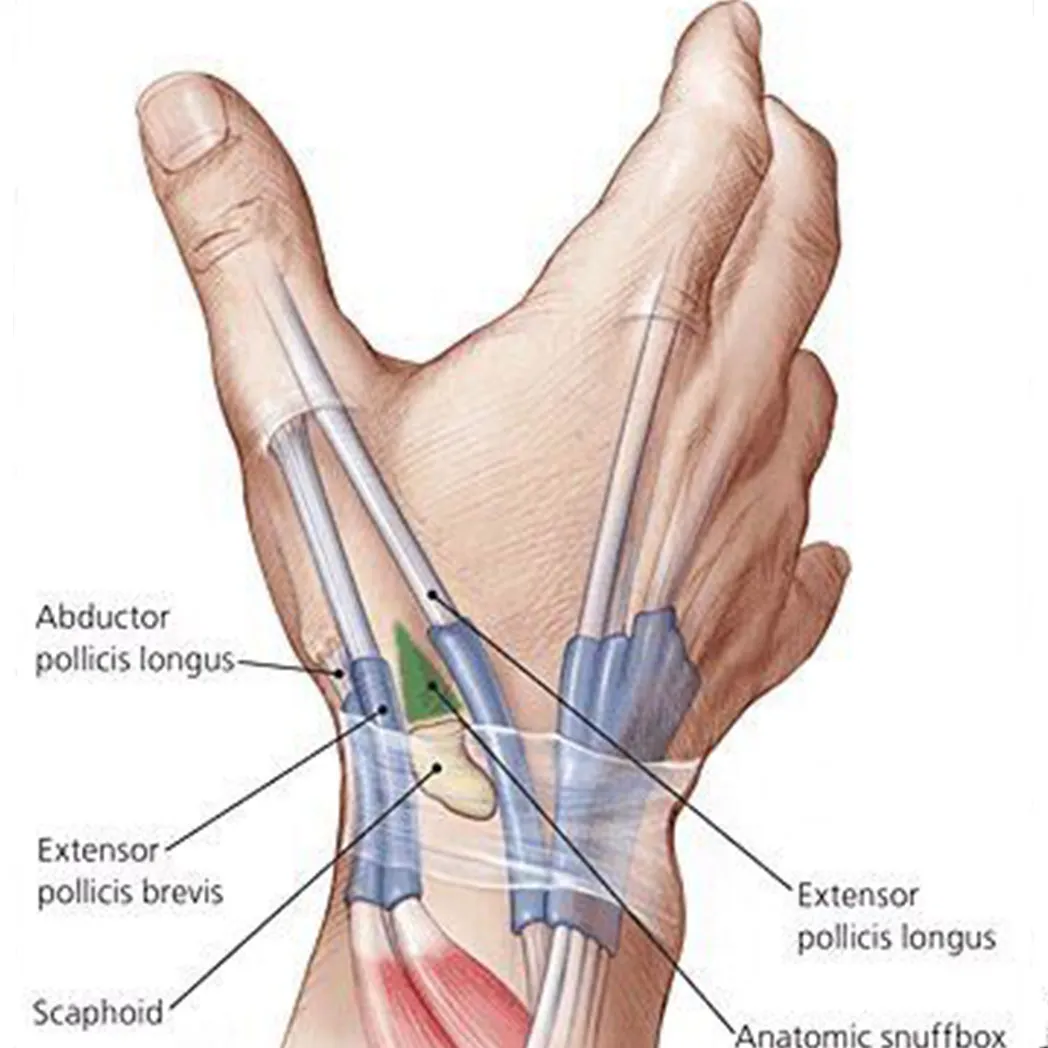
The most common sign is a painless lump on the back of the wrist. The lump often appears suddenly over a few days, usually after a strenuous activity. Because of its location and its relationship with tendons, blood vessels and nerves, the pressure the cyst places on these structures can cause pain. Patients typically describe pain when they push down on their wrists to get up from a chair.
Another feature patients describe is that the lump goes through episodes of growing and shrinking. These episodes of growth often make patients very worried that it could be a malignant mass.
Who is most commonly affected by ganglion cysts?
Although the cause is unknown, ganglion cysts are more common in people who use a keyboard or mouse heavily, people who do housework, and those who take part in strenuous hobbies.
How is a ganglion cyst treated?
If a ganglion cyst is not causing pain, or has not grown large enough to create an unacceptable cosmetic problem, it should be left alone.
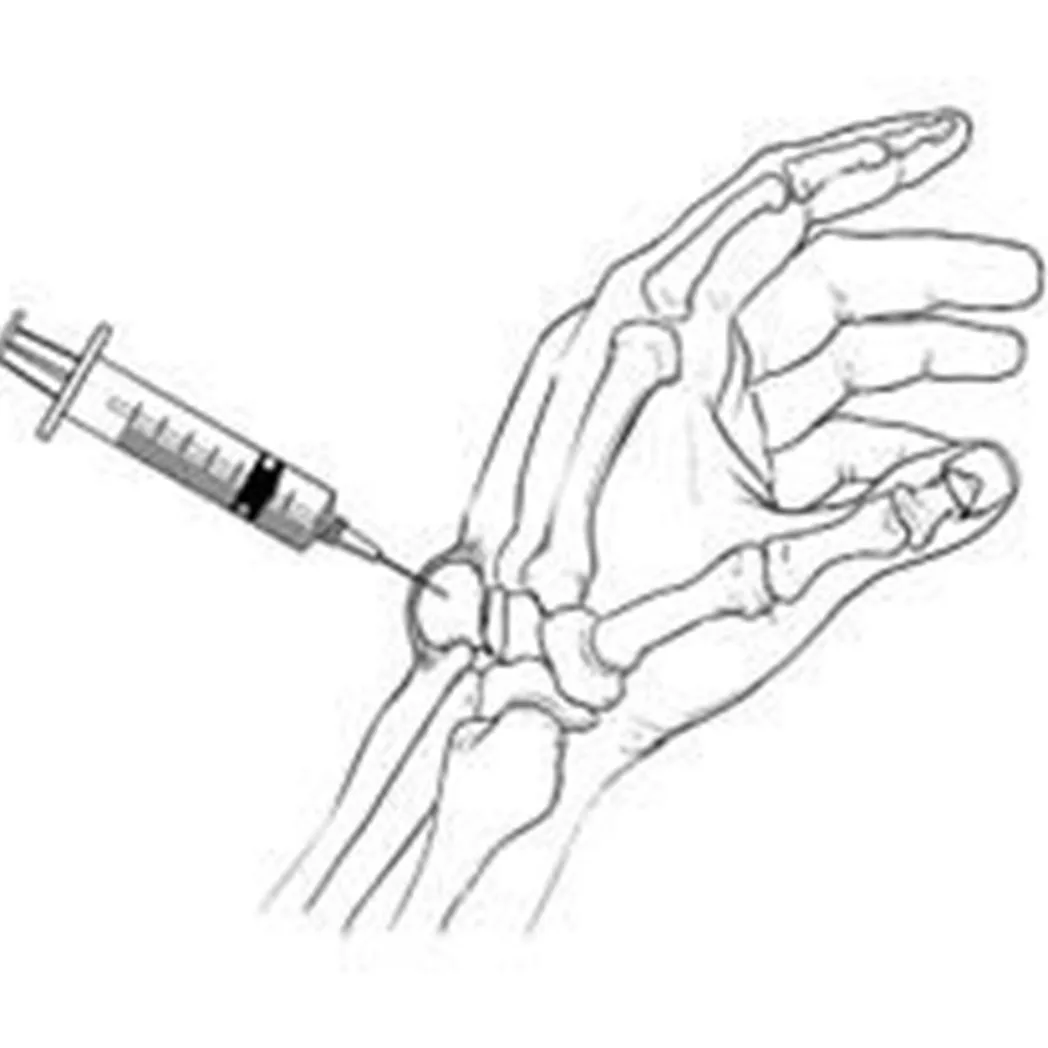
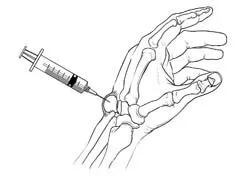
When treatment is needed for a cyst that is not very large, the contents of the cyst are drained with a needle (aspiration), followed by an injection of medication to help prevent the cyst from coming back.
If this does not work, or if the mass is very large, it needs to be removed surgically. Even after surgery, the chance of recurrence is not small, and the patient should be informed of this.