
What Is PRP?
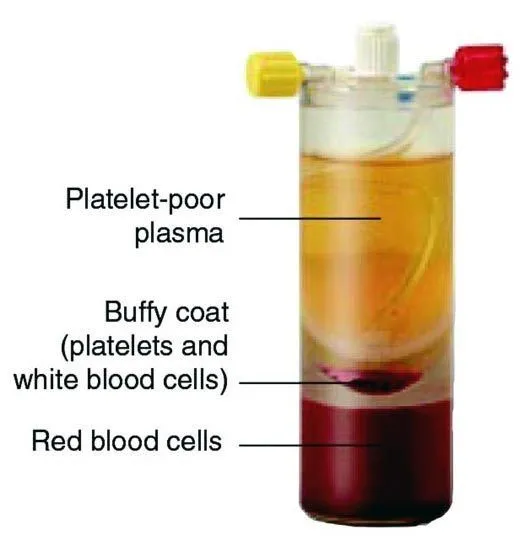
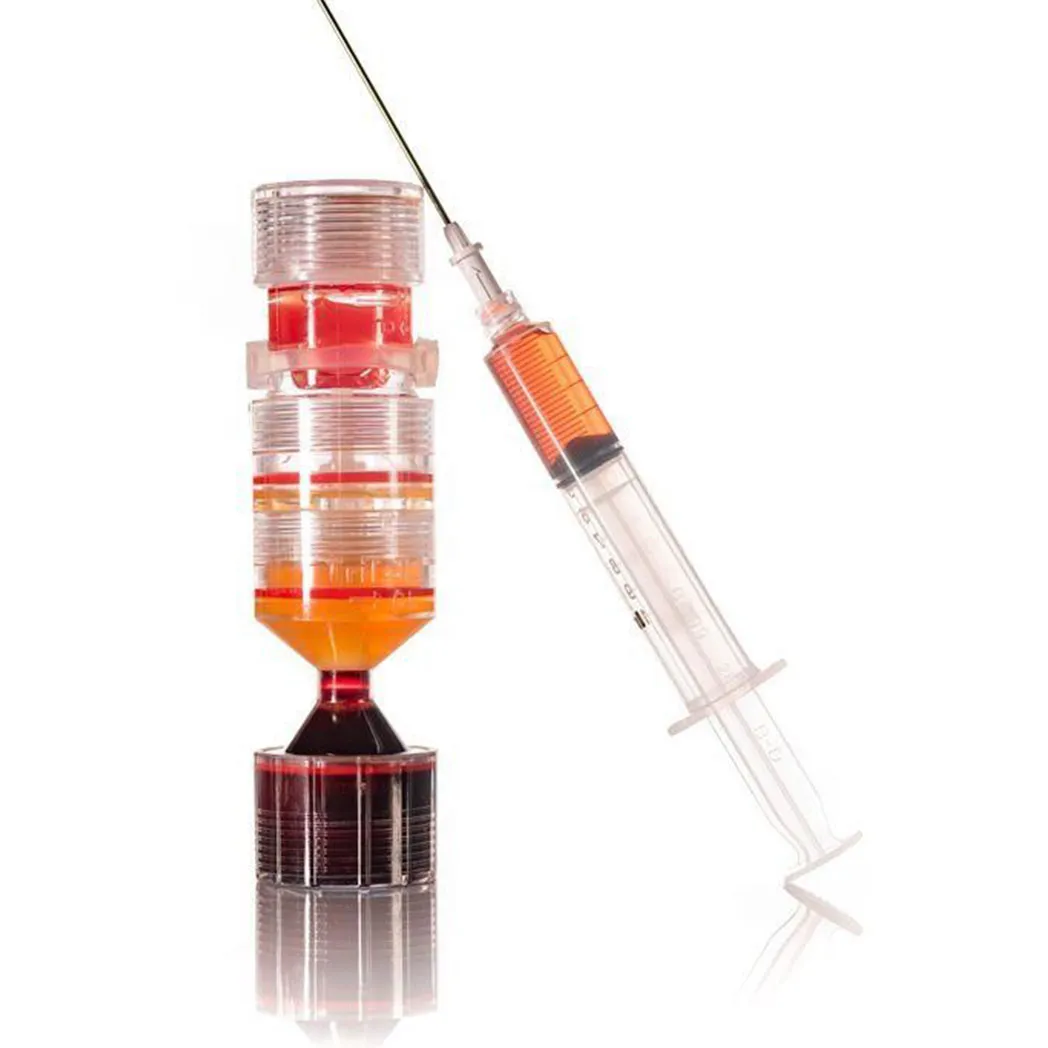
PRP (Platelet-Rich Plasma) is a method in which the cells in the blood that have the potential to heal damaged tissue are separated from the blood and then injected into the damaged tissue. After the injection, the stimulus provided by these cells produces healing through growth factors, along with an anti-inflammatory effect.
PRP exerts this effect through special healing substances released from the cells it contains, such as TGF-β, PDGF, bFGF, EGF, VEGF and CTGF.
How Is PRP Prepared and How Long Does It Take?
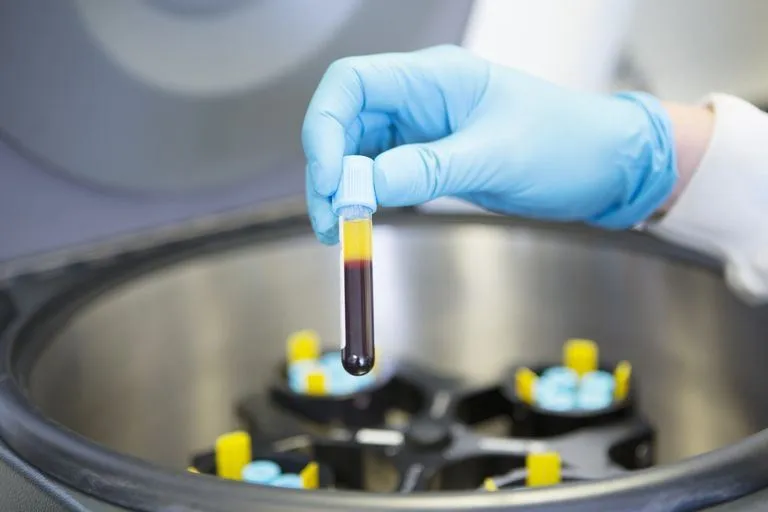
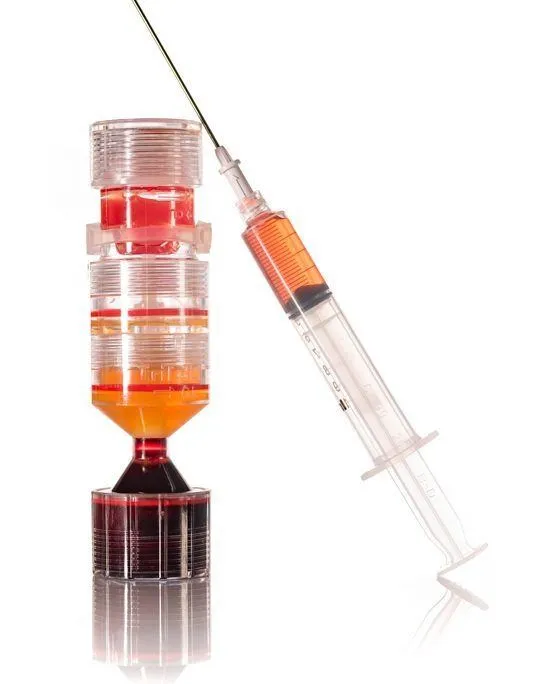
PRP is prepared from one or two tubes of blood drawn from your arm. Tubes specially designed for PRP preparation are centrifuged to separate out the special cell groups described above. These cell groups are then drawn into a syringe, ready for use.
The whole procedure, including drawing blood from your arm, separating it and administering the injection, is completed in about 20 minutes.

Which Orthopedic Conditions Is PRP Used For?
- Tendon problems (tennis elbow, golfer's elbow, shoulder impingement syndrome, etc.)
- Joint disorders (osteoarthritis, chondropathies, etc.)
- Ankle sprains, and any damaged tendon or ligament.
- Heel spurs, trochanteric bursitis, olecranon bursitis, tenosynovitis, etc.
- To enhance the healing potential of tissues after surgery (in bone healing, to accelerate soft tissue healing, etc.)

Does PRP have any side effects?
Because the material injected during PRP treatment is prepared entirely from your own blood, with no additives, it does not cause any side effects of its own. However, as with any injection, there is a risk of infection, though no greater than with any other injection. In addition, injections around tendons in particular are somewhat more painful than injections into larger spaces such as the joint and its surroundings.
What is the success rate, and is there scientific evidence for it?
Numerous laboratory and clinical studies demonstrate the effectiveness of PRP treatments. Articles on the subject are also appearing with increasing frequency in respected journals known for their reliability within the scientific community.

How Is It Administered?
Depending on various factors, such as the area to be treated, the condition and its severity, the patient's individual characteristics and the response to the first injection, 1–5 injections may be given at one-week intervals; in routine practice, it is usually given twice.